Co-Benefits & Livelihoods

Carbon That WorksFor People Too

High-integrity carbon removal and genuine livelihood improvement are not in tension. In the landscapes we work in, they are the same intervention done right.

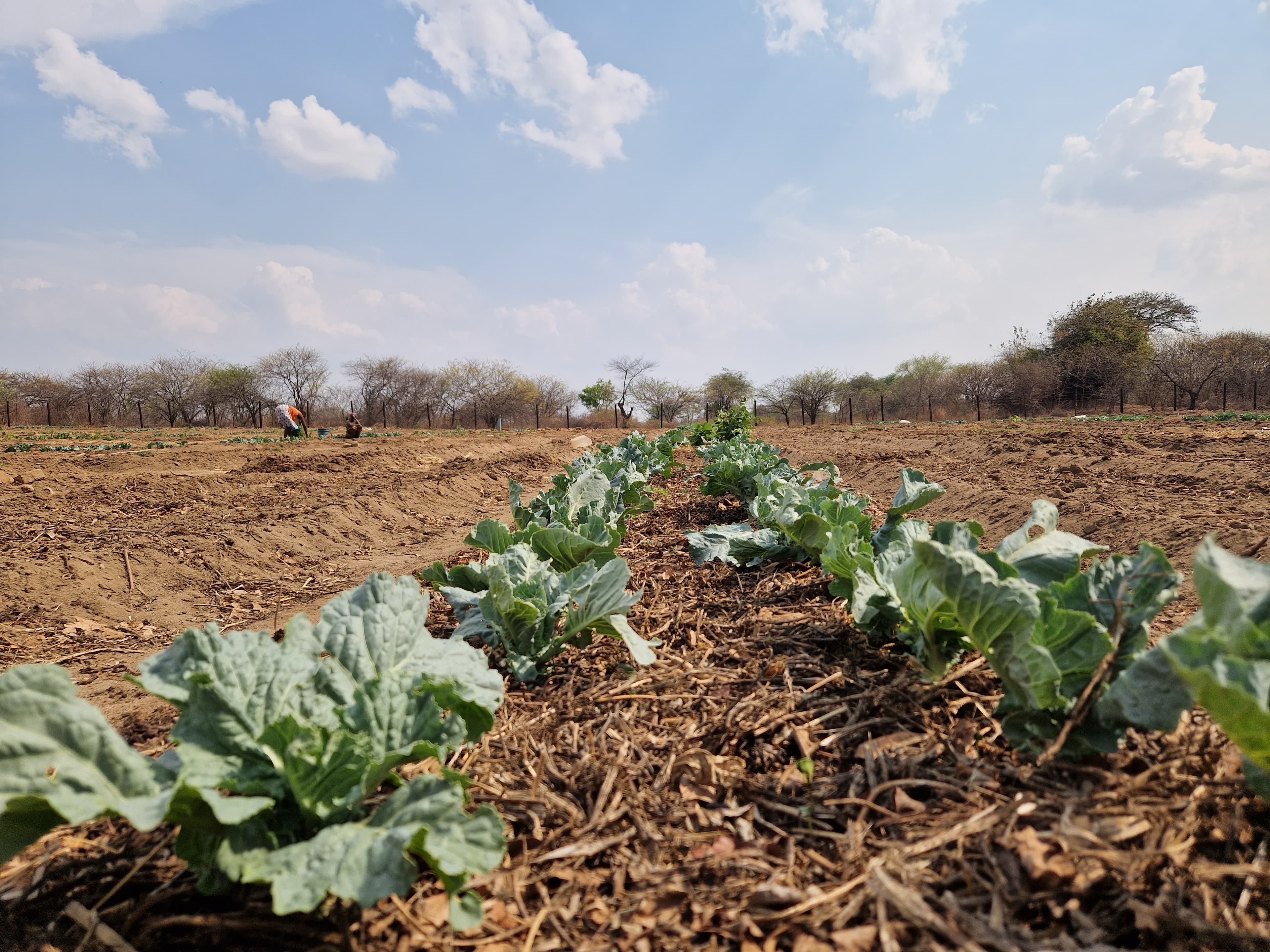
Smallholder crops growing on a restored dryland farm in East Africa

Smallholder crops on a restored dryland farm, East Africa.

Why LivelihoodsAre Not Optional

Carbon projects that ignore local livelihoods fail, not just ethically, but practically. Communities that do not benefit from a project will not protect it. Permanence requires buy-in. Integrity requires equitable benefit sharing.

The landscapes we work in are among the most vulnerable on Earth. Communities in the Borena Zone, around Lake Tana, and across East Africa's drylands face intersecting pressures: land degradation, climate variability, poverty, and food insecurity. Carbon finance alone does not fix these. But carbon projects designed around community needs can deliver meaningful, measurable change.

15–40%
Crop yield improvement on project sites
2–3×
Forage biomass recovery on restored rangelands
100%
Of projects include direct community benefit sharing
>50%
Of project income targeting the most vulnerable households
Livelihood Pathways

How We ImproveLives On The Ground

Increased Crop Yields

Restoring soil health directly improves agricultural productivity. Higher organic matter levels increase water retention, reduce compaction, and improve nutrient cycling, all of which translate into measurable yield gains for smallholder farmers.

15–40%
yield improvement in project areas

In our regenerative agriculture projects across East Africa, participating farmers have recorded yield improvements of 15–40% compared to control plots within two to three growing seasons. Biochar application adds a further layer: improved soil structure and water-holding capacity benefit crops for years after application.

Documented Outcomes

  • Higher food security at household level
  • Reduced dependence on synthetic fertilisers
  • Greater resilience in drought years
  • Improved soil structure lasting multiple seasons

Livestock Health & Forage Availability

Degraded rangelands support fewer animals, in worse condition, generating less income. Holistic grazing management and rangeland restoration rebuild forage availability and quality, which is the foundation of pastoralist livelihoods.

2–3×
increase in forage biomass on restored rangelands

Our rangeland projects in the Borena Zone, Ethiopia, apply rotational grazing protocols developed in close collaboration with pastoralist communities. Early monitoring shows forage biomass recovery of two to three times baseline levels within the first two years on rested paddocks.

Documented Outcomes

  • Improved livestock body condition scores
  • Higher offtake rates and market values
  • Reduced herd losses in dry seasons
  • Rebuilding of traditional grazing management systems

Land Governance

Carbon projects create formal, documented relationships between communities and their land. This strengthens tenure security, reduces conflict, and builds the institutional foundations that make long-term restoration possible.

In many of the landscapes we work in, land rights are contested, informal, or absent entirely. Our project design processes include community boundary mapping, participatory land use planning, and formal agreement structures that document rights and responsibilities, leaving communities with stronger governance frameworks that outlast the carbon project itself.

Documented Outcomes

  • Documented land use agreements
  • Reduced inter-community conflict over grazing boundaries
  • Formal community governance structures
  • Stronger position in negotiations with government and investors

Household Income

Carbon finance flows to communities through direct payments, employment in monitoring and implementation, and income from improved productivity. We design revenue-sharing mechanisms that are transparent, equitable, and locally governed.

Carbon revenue is not the only income pathway. Employment in field monitoring, biochar production, invasive species removal, and nursery management creates direct wage income at the community level. Improved yields and livestock condition translate into higher farm gate revenues. We work with community structures to ensure benefits reach the most vulnerable households.

Documented Outcomes

  • Direct carbon revenue sharing with participating households
  • Employment in project implementation and monitoring
  • Income from biochar and biomass processing
  • Higher farm gate revenues from improved productivity

Community Resilience

The deepest co-benefit of landscape restoration is resilience: the capacity of communities to absorb shocks, adapt to changing conditions, and maintain livelihoods under pressure.

Degraded landscapes are fragile. A drought, a disease outbreak, or a market shock can tip communities into crisis when the ecological and economic buffers have been eroded. Restored soils hold more water, supporting crops longer into dry seasons. Recovered rangelands sustain herds through lean periods. Diversified income streams reduce dependence on any single source.

Documented Outcomes

  • Greater buffer capacity in climate shocks
  • Diversified livelihood options at household level
  • Stronger community institutions
  • Reduced conflict driven by resource scarcity

Monitoring & Evidence

We measure livelihood outcomes with the same rigour we apply to carbon. Co-benefit data is collected, verified, and reported, not asserted.

Household surveys, yield measurement trials, livestock condition scoring, and forage biomass assessments are integrated into our project monitoring protocols. Co-benefit data is independently reviewed and included in verification reports. Buyers and investors can access livelihood outcome data alongside carbon monitoring results.

Documented Outcomes

  • Standardised household income surveys
  • Crop yield measurement at plot level
  • Livestock body condition and herd size tracking
  • Forage biomass and land cover monitoring

Design A Project With Communities At The Centre

We work with project developers, investors, NGOs, and UN agencies who want carbon projects that deliver both climate and livelihood outcomes.