Regenerative Agriculture
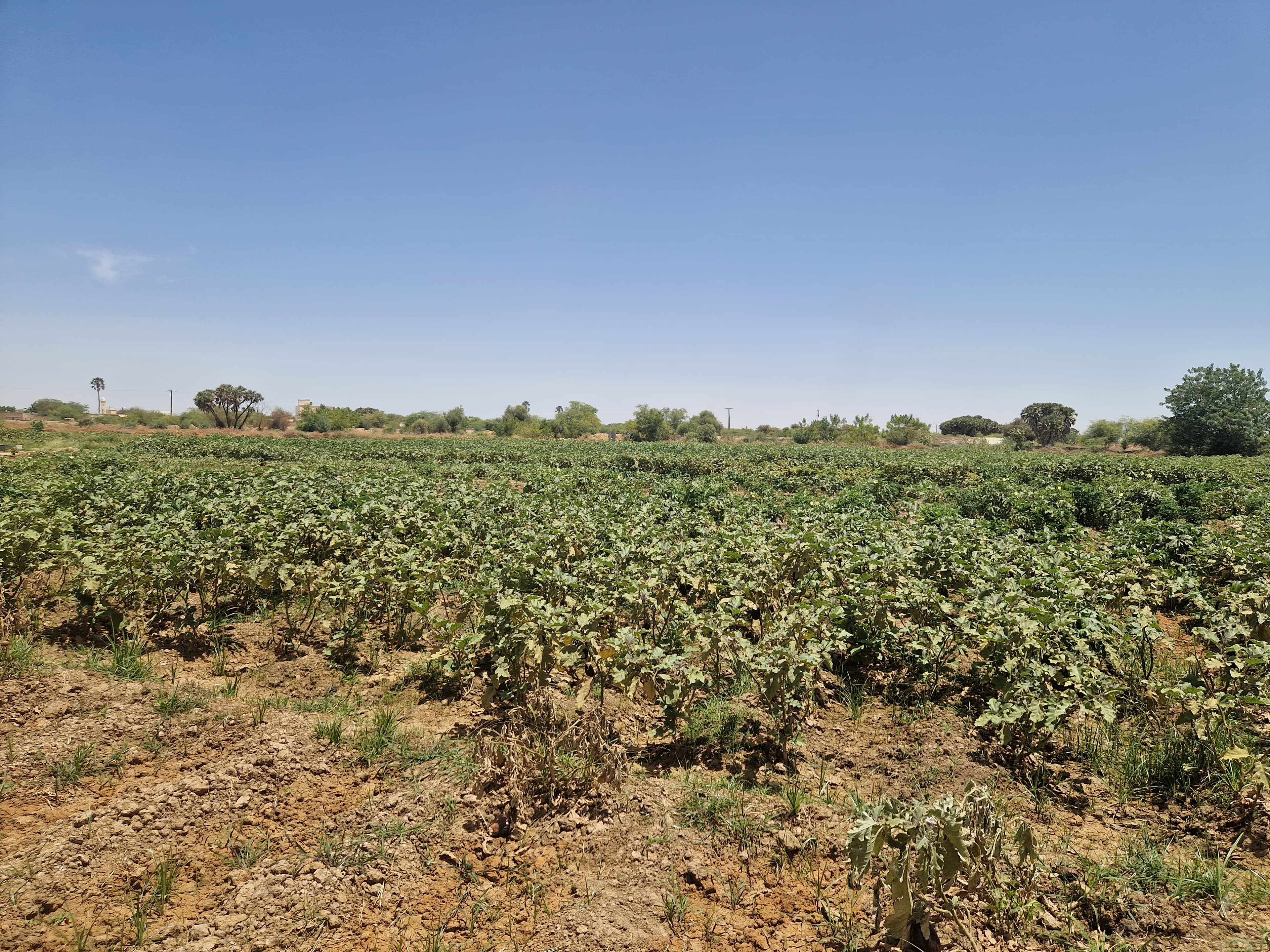
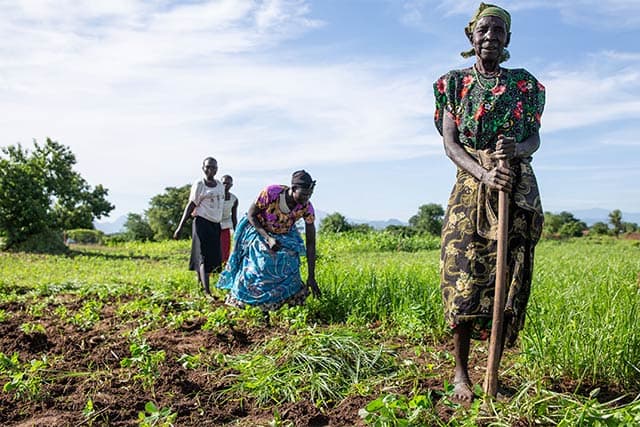
Smallholder farmers and project developers improving soil health through cover crops, reduced tillage, composting, and rotational grazing - restoring carbon to soils that have been depleted by decades of extraction.
Why It Matters
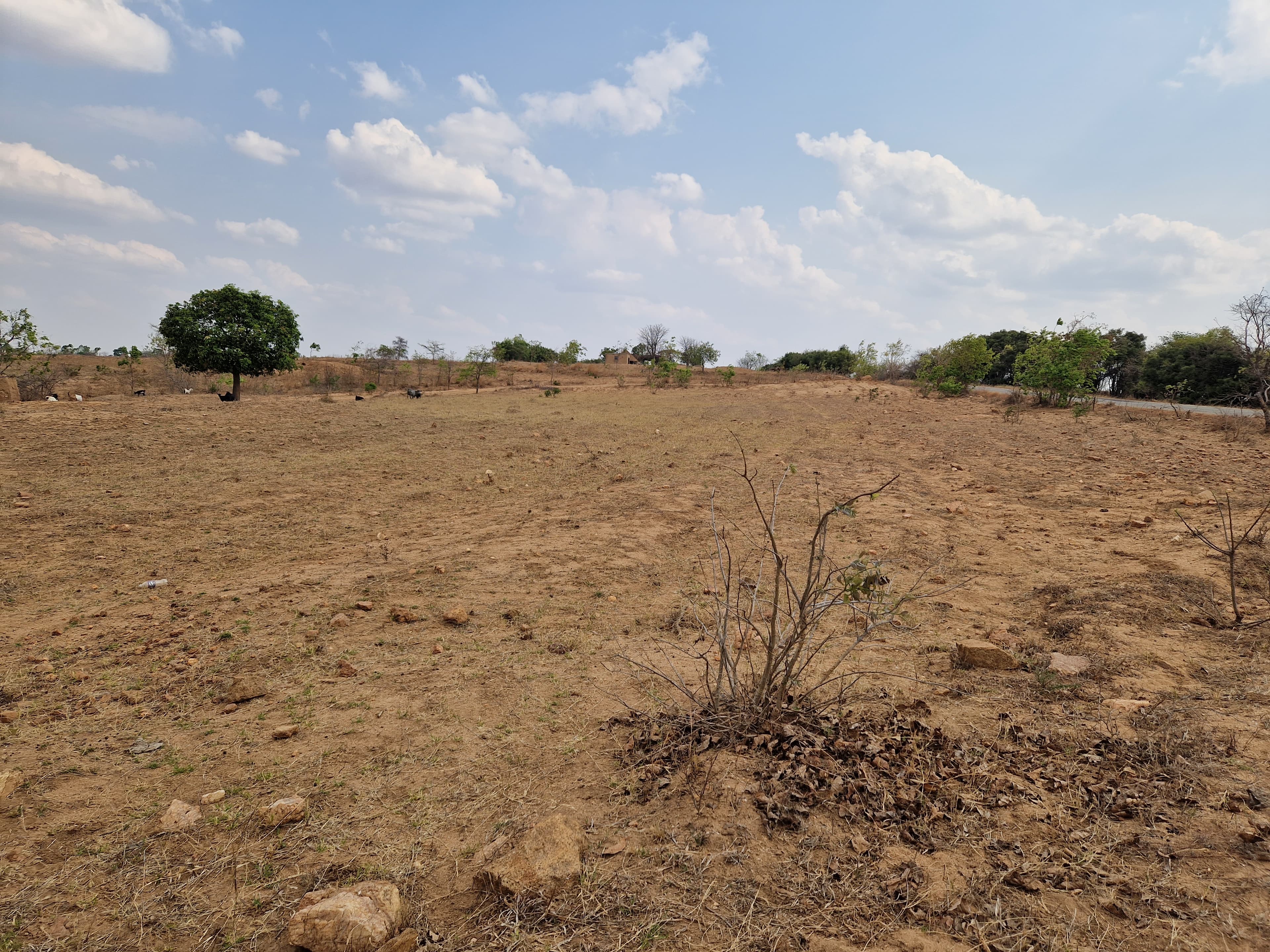
Degraded agricultural soils store far less carbon than healthy ones. Restoring them improves food security, farm income, and resilience to drought - while generating verified carbon credits that reward better land management.
How We Work
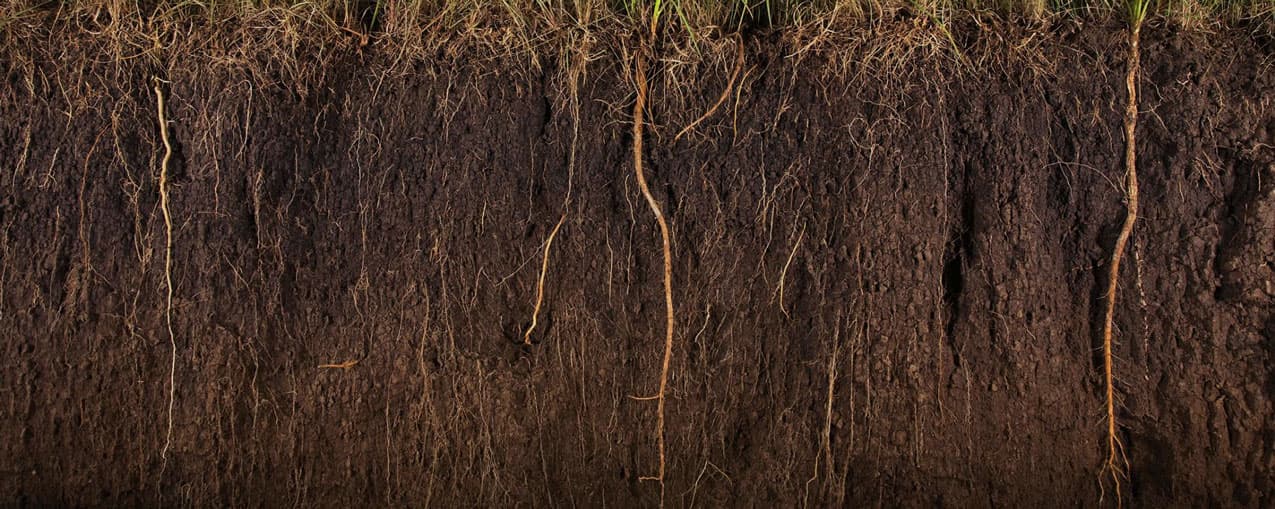
We design and implement projects around improved land management practices, using RothC biogeochemical modelling combined with soil sampling to measure soil organic carbon stock changes. We work with farmers and cooperatives to establish baselines, monitoring plans, and community verification structures.
What You Get
A registered carbon project with verified soil carbon credits, monitoring dashboards, and documented co-benefits for farming communities.
What We Need
Target geographies, existing land management practices, and willingness to engage local farmers and cooperatives in monitoring and reporting.