What We Do

Project Types &Our Approach

We develop and implement carbon projects across a range of typologies - all connected by soil, and all designed with the highest standards of integrity and co-benefit delivery.

Our MRV Principle

Our MRV approach is built on the best available science, published methodologies, and open models. Nothing we do is a proprietary black box. Everything is auditable, reproducible, and designed to improve under scrutiny - because scrutiny is what makes carbon markets credible.

Project Typologies

What We Build -And Why It Starts With Soil

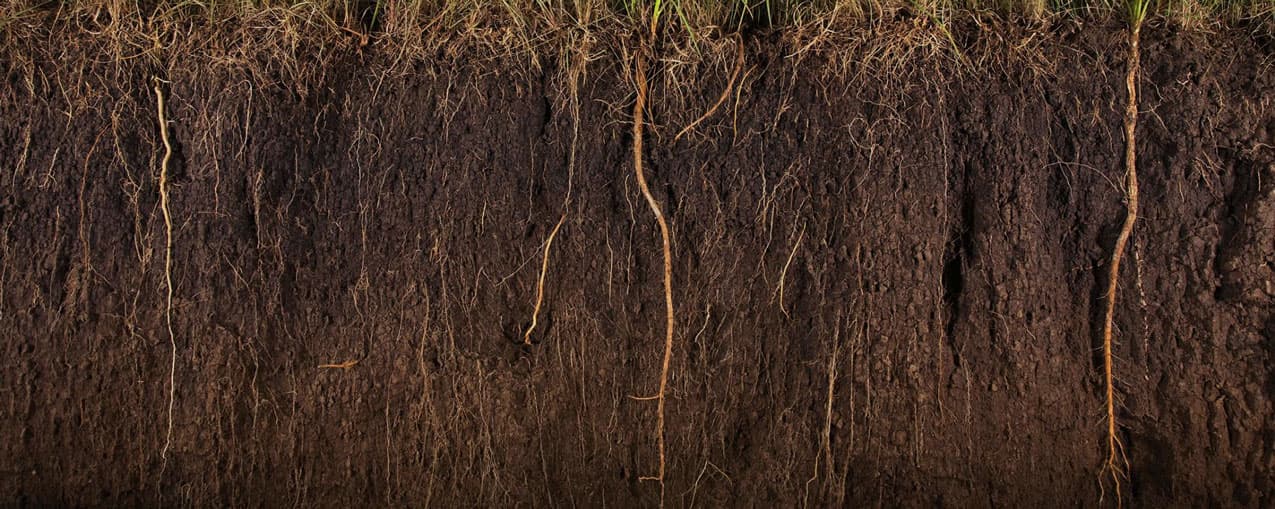
Every project typology we work in is connected by a single foundation: soil. Soils are the basis of almost all terrestrial life, all food production, and the livelihoods of billions of people - and they are being destroyed by land misuse faster than at any point in recorded history. The projects below are our answer to that.

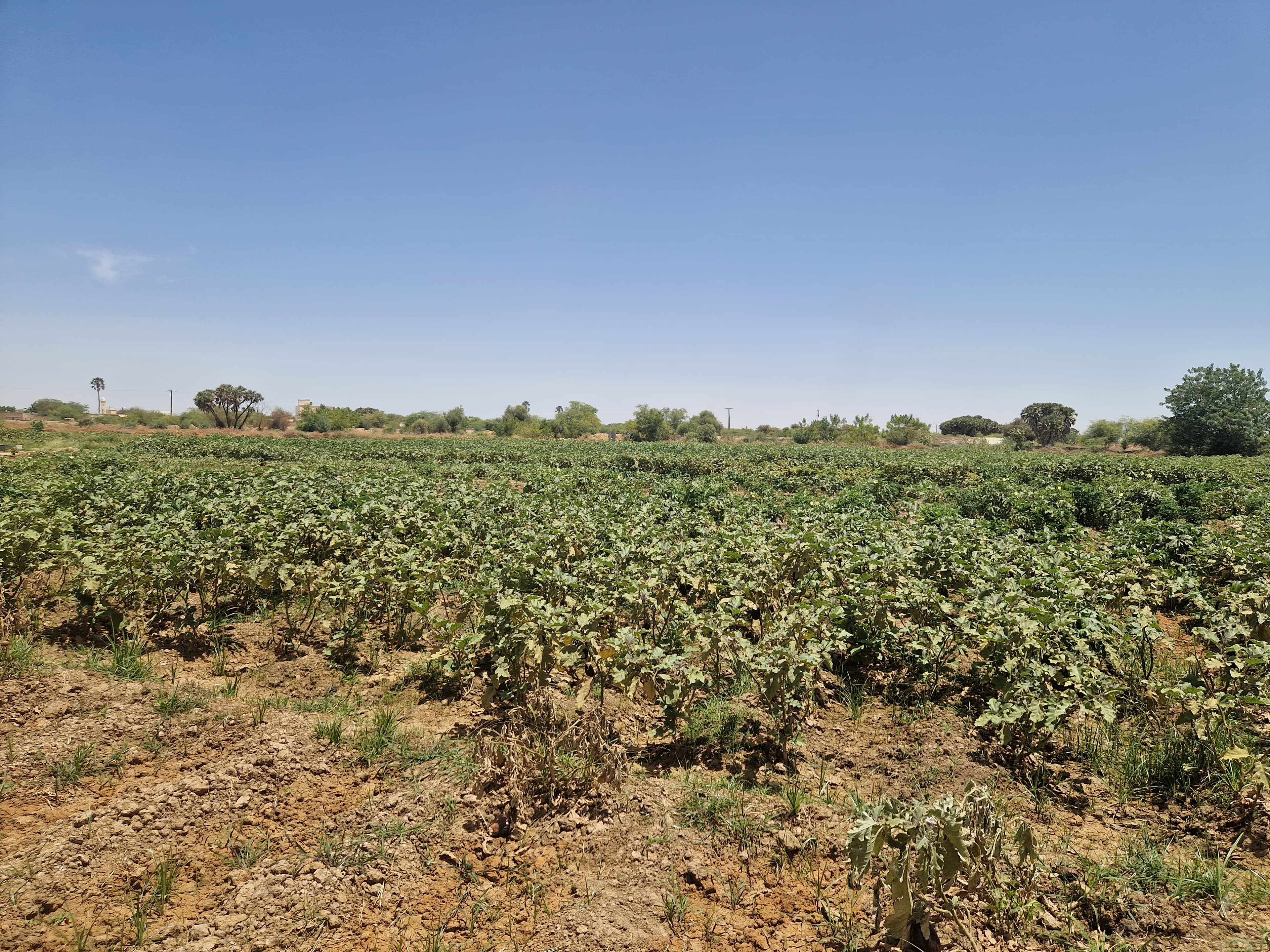
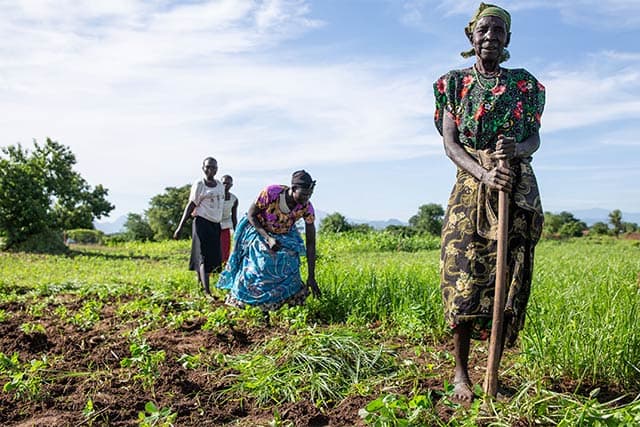
Farmers working in a cultivated field

Regenerative Agriculture

Regenerative Agriculture

Smallholder farmers and project developers improving soil health through cover crops, reduced tillage, composting, and rotational grazing - restoring carbon to soils that have been depleted by decades of extraction.

Why It Matters

Degraded agricultural soils store far less carbon than healthy ones. Restoring them improves food security, farm income, and resilience to drought - while generating verified carbon credits that reward better land management.

How We Work

We design and implement projects around improved land management practices, using RothC biogeochemical modelling combined with soil sampling to measure soil organic carbon stock changes. We work with farmers and cooperatives to establish baselines, monitoring plans, and community verification structures.

What You Get

A registered carbon project with verified soil carbon credits, monitoring dashboards, and documented co-benefits for farming communities.

What We Need

Target geographies, existing land management practices, and willingness to engage local farmers and cooperatives in monitoring and reporting.
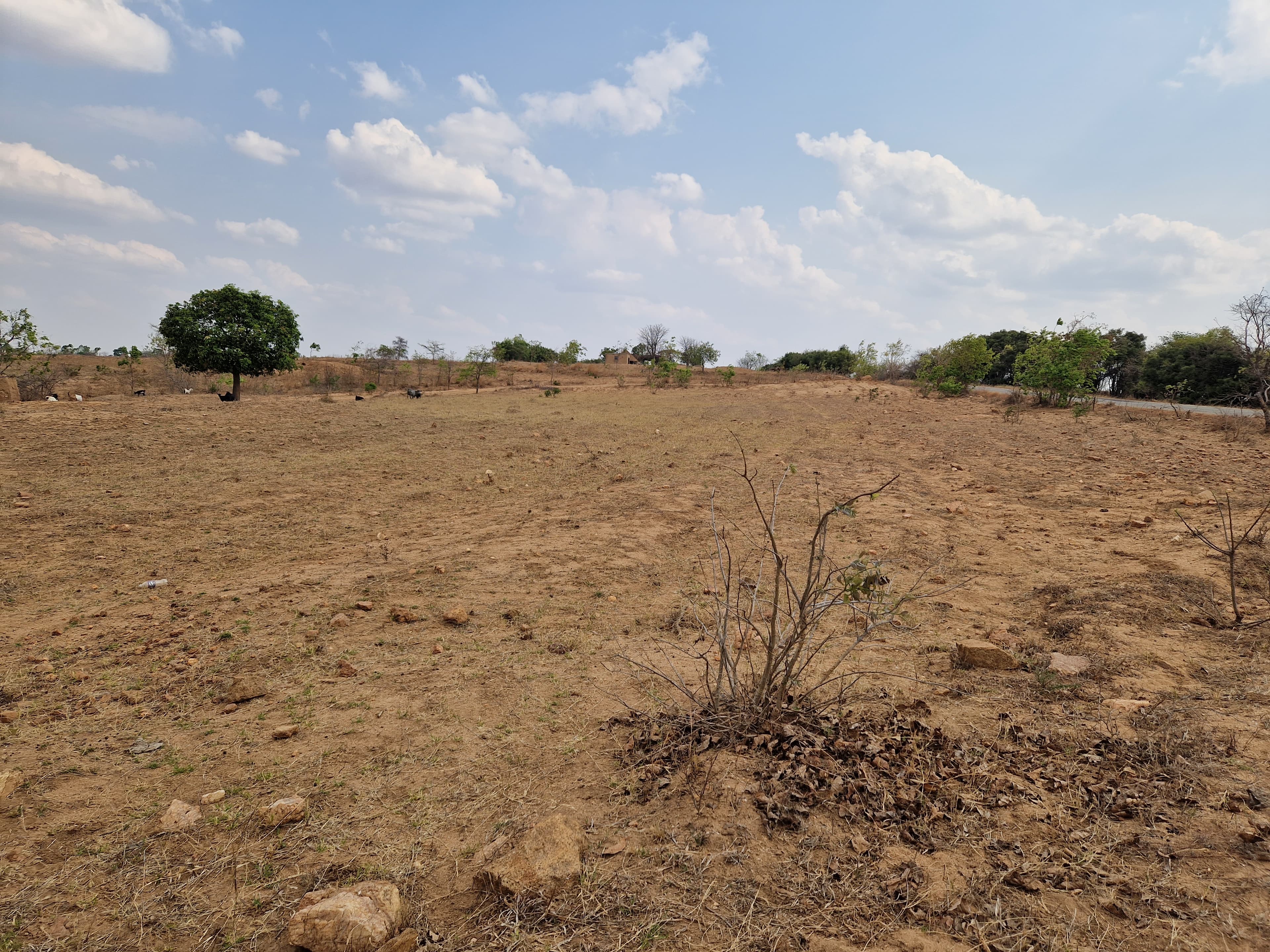
Herds moving across open rangeland

Rangeland Management

Rangeland Management

Africa's rangelands hold vast carbon potential - but overgrazing has degraded enormous areas, collapsing both ecosystem health and pastoralist livelihoods. Holistic grazing management can reverse decades of damage within years.

Why It Matters

Rangelands cover roughly 40% of Africa's land area. Restoring their productivity has an outsized impact on carbon, biodiversity, and the livelihoods of some of the continent's most vulnerable communities - often within areas ignored by conventional carbon markets.

How We Work

We assess rangeland condition using remote sensing and field surveys, design monitoring for soil carbon and biomass recovery, and work closely with communities to implement and document changes in grazing practices - often integrating with existing pastoral governance structures.

What You Get

A certified carbon project with co-benefit documentation covering pastoral livelihoods, land rights, biodiversity, and water catchment recovery.

What We Need

Project boundaries, community structures and pastoralist groups, and baseline data on current land condition and stocking rates.

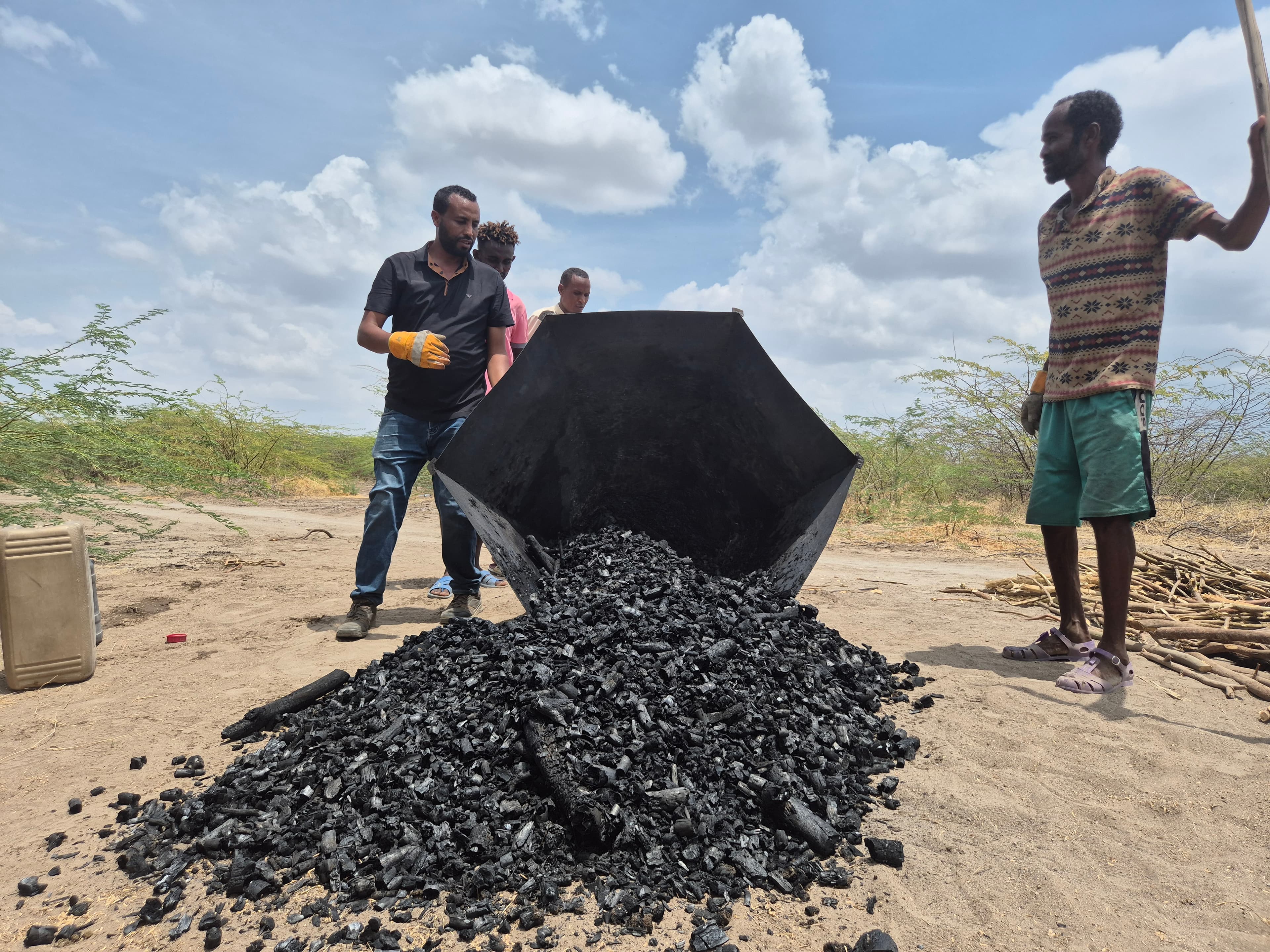
Biochar production fieldwork

Biochar

Biochar

Biochar converts short-cycle carbon - from crop residues and wood waste - into a form stable for centuries. Applied to soils, it also improves fertility, water-holding capacity, and reduces dependence on synthetic inputs.

Why It Matters

Biochar's durability addresses the permanence critique of nature-based solutions head-on. Combined with the agricultural co-benefits, it's one of the few interventions that is simultaneously a carbon removal, a soil health, and a food security solution.

How We Work

We identify biomass feedstock sources, design production and application protocols, and provide MRV for carbon permanence, soil health improvements, and co-benefit outcomes.

What You Get

A biochar carbon project with certified removals, soil health data, and documented co-benefits.

What We Need

Identified biomass feedstock, production capacity, and target agricultural areas for application.

Enhanced rock weathering and soil

Enhanced Rock Weathering

Enhanced Rock Weathering

Rocks naturally absorb CO₂ through weathering - a process that takes millennia. Enhanced rock weathering (ERW) accelerates this by applying crushed silicate minerals to agricultural soils, driving carbon into ocean bicarbonates while improving soil pH and crop yields.

Why It Matters

ERW offers exceptional carbon durability - storage in ocean bicarbonates is effectively permanent on any meaningful timescale. Combined with genuine agricultural co-benefits in soils that are often acidic and nutrient-depleted, it creates a strong case for tropical smallholder contexts.

How We Work

We identify suitable silicate rock sources, design application protocols, and develop monitoring plans covering soil pH, nutrient changes, bicarbonate export, and carbon accounting using water sampling and process modelling.

What You Get

An ERW carbon removal project with monitoring data for soil changes, carbon accounting, and agronomic co-benefits.

What We Need

Access to suitable silicate rock sources, target agricultural areas, and willingness to establish field measurement protocols.

Tree cover integrated into a dryland landscape

Agroforestry

Agroforestry

Integrating trees into cropland and pasture simultaneously builds carbon in both biomass and soil, provides shade and windbreaks for crops, improves biodiversity, and generates timber and non-timber forest products for farmers.

Why It Matters

Agroforestry is one of the most versatile NbS typologies. It generates carbon across multiple pools - above-ground biomass and soil - while delivering livelihood benefits that reduce project reversal risk, which is the main permanence concern for nature-based solutions.

How We Work

We design monitoring for both above-ground biomass (using remote sensing and allometric equations) and soil carbon, help projects select and certify under relevant methodologies, and build community monitoring capacity for long-term sustainability.

What You Get

A certified agroforestry carbon project with integrated biomass and soil carbon accounting, and co-benefit documentation for local livelihoods and biodiversity.

What We Need

Target geographies, tree species and planting plans, and farmer engagement structures.

Working across one of these typologies? We'll scope the right approach for your project.

Start Your Project
Our MRV Approach

How We Verify The Impact

Across all typologies, our monitoring and verification work is built on open science, published methodologies, and reproducible models. No black boxes. Everything we do is designed to stand up to scrutiny - because scrutiny makes carbon markets credible.

Pre-Feasibility

Heatmaps of restoration potential and activity recommendations for site selection.

Feasibility Study

Carbon yield projections, additionality validation, and methodology selection to support early-stage finance.

Project Design Document

MRV system design and compliant documentation ready for your chosen certification body.

Ongoing Monitoring

Satellite-based activity and outcome monitoring with dashboard visualisations and automated reporting.

Above Ground Biomass Verification

Remote sensing and allometric analysis for AGB carbon sequestration with annual baseline revalidation.

Soil Carbon Verification

RothC modelling combined with remote sensing and soil sampling, compliant with VM0042 and VM0053.

Our Approach

From Degraded LandscapeTo Verified Carbon Impact

We identify, design, implement, and verify high-integrity carbon projects with transparent evidence at every step.

01

Identify & Design

We assess landscapes for restoration potential, choose the right typology, and design a project rooted in local context and community structures.

02

Implement With Integrity

Hands-on implementation with local partners using science-based protocols open to scrutiny at every stage.

03

Monitor & Verify

Transparent, science-based MRV using best-available scientific models — not black-box proprietary systems — ensuring every tonne claimed is a tonne earned.

04

Issue credits & deliver livelihood outcomes

Credits issued beyond standard requirements with buyer-facing dashboards, third-party verification, and continuous quality control.

Trusted By Partners Worldwide

Finnish Ministry for Foreign Affairs
Lande Mills
World Food Programme
World Economic Forum
IFAD
International Organization for Migration
European Space Agency
Copernicus
Aerospace Valley
OFP
Farmerlink
Mifuko
Carbono Local
CARE
CarbonoVivo
Microsoft
4 per 1000
EIT Climate-KIC
ClimAccelerator
Green Tech Alliance
EcoSecurities
Finnish Ministry for Foreign Affairs
Lande Mills
World Food Programme
World Economic Forum
IFAD
International Organization for Migration
European Space Agency
Copernicus
Aerospace Valley
OFP
Farmerlink
Mifuko
Carbono Local
CARE
CarbonoVivo
Microsoft
4 per 1000
EIT Climate-KIC
ClimAccelerator
Green Tech Alliance
EcoSecurities

Deliver Measured and Verified Climate Change Mitigation and Resilience Outcomes

We work with project developers, investors, communities, NGOs, and UN agencies to design and implement projects that deliver real carbon outcomes and real co-benefits.